

Bariatric Aids
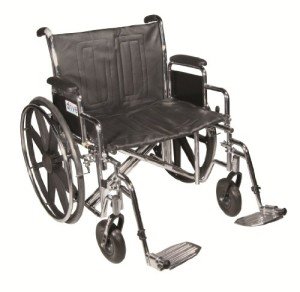
Bariatric aids are sized and constructed to support bigger users and heavier weight. Choosing the proper equipment enables safe transfers without the threat of failure, damage and injury.
Motorised mobile floor lifts work with compatible slings to cradle clients and raise them from chair to bed or flooring. Some lifts likewise fold compactly for storage between usages.
Wheelchairs
Wheelchairs are a common mobility help for people with certain disabilities, such as amputations, spinal cable injuries, spastic paralysis, several sclerosis, muscular dystrophy and more. These are called mobility problems, and a wheelchair is an efficient tool for overcoming them and boosting self-reliance and lifestyle.
Many individuals who use wheelchairs have medical insurance policies that can assist cover the cost of the equipment, depending on a physician's prescription and the insurer's coverage guidelines. A "Certificate of Medical Necessity" was previously required to show that a wheelchair was essential for a particular individual, however new requirements set by the Centers for Medicare and Medicaid Services (CMS) now enable providers to accept supporting clinical paperwork rather.
While standard wheelchairs generally support only 250 to 300 pounds, bariatric chairs are developed for those with greater body weights, allowing users to remain mobile and independent. These chairs are also known as extra-tall or strong wheelchairs, and they include larger bases and strengthened frames to make sure stability for heavier people.
Other mobility aids, such as stair lifts and bath and toileting aids, might also be used by those with bariatric requirements. It is essential for caregivers to be acquainted with using these gadgets before trying transfers, as improper usage can cause equipment failure or injury.
Training for personnel on the correct handling and care of bariatric mobility aids can help minimize these dangers. Using charging indications and examination procedures in between transfers can protect versus damage to the equipment, and backup controls avoid devastating failures. Personnel should be advised on safe weight limits, and trained in how to sanitize equipment between clients to prevent skin infections.
Home adjustments like modifying entrances, installing ramps and shower benches, and including grab bars can likewise make life for bariatric patients easier. These additions can help improve confidence and boost independence in everyday living activities, such as visiting friends, shopping, eating in restaurants and taking part in pastimes or community events. These services can be organized by private professionals that focus on availability and mobility aids. They can also help with organizing wheelchair and stair lift leasings, which supply an option for people who can not afford the initial purchase rate.
Strolling Aids
Walking aids or ambulatory assistive gadgets are advised by doctors or physiotherapists to enhance balance, mobility and safety while strolling. They may be a short-lived requirement like when it comes to an ankle fracture, surgery or injury. They can also be utilized for the long term in cases of muscle weak point or as an outcome of aging or degenerative conditions.
Physiotherapists are the most certified to provide a comprehensive evaluation and to recommend the correct kind of walking help. Typically, this involves a thorough system review of the customer including their gait and balance along with the cardiovascular, musculoskeletal and neurological systems. Inappropriate selection of a walking aid can compromise convenience, recovery and increase the threat of falls.
A comprehensive series of strolling aids exist including walking canes, sticks and walker frames. Each can be configured to meet the needs of the client and include various handgrips, height modifications, bases (such as quad sticks), accessories and adaptations.
A current systematic literature evaluation took a look at the evidence of how strolling aids allow activity and participation. The results were combined and the authors advise more high quality research in this area. However, using a walking aid can help to improve stability and decrease fall danger in bariatric clients.
Stair Lifts
Stair lifts, also referred to as chair lifts, are motorized devices that enable individuals with restricted mobility to safely navigate their stairs. They're readily available in straight rail and curved rail versions, and can travel up or down several floorings. In bariatric wheelchair weight limit , they're one of the most cost-efficient home adjustment tools that can be utilized to assist bariatric patients remain in their homes-- even if they have two or more stories.
A stair lift works by attaching a seat to a motorized carriage that runs on a rail system that's fixed to the stair treads for a straight staircase or to the wall for a curved stairs. The user rests on the seat and utilizes controls developed into the carriage to be transported up or down the stairs. Some stair lifts have an optional standing platform that enables the rider to stand from the seat without depending on a walker or walking stick. A lot of stair raises featured blockage sensing units that will bring the chair to a stop if it comes across something on its method up or down the stairs.
In addition to making it possible for a person to continue residing in their own home, stair lifts can substantially reduce the risk of falls, which are amongst the most typical causes of senior-related injuries and deaths. A stair lift can likewise aid with other day-to-day jobs that would otherwise be challenging, such as bring groceries up the stairs or moving clothes from a lower to a higher flooring.
While stair lifts are the best-known type of bariatric help, there are other mobility aids that can be used also. For instance, over toilet aids and commodes can be utilized by bariatric clients to assist with the transfer procedure and improve their overall quality of life. These bariatric aids typically feature larger seats and stronger frames to support greater weight capabilities. They likewise have a cutout in the bottom for a pot, making it simpler to use them with an over-the-counter toilet. In a lot of cases, a bariatric commode can be placed on top of a stair lift to create a practical transportable toilet service for people with mobility difficulties.
Get Bars
Many individuals who struggle with mobility problems discover themselves in a position where they need some additional assistance in their every day lives. The safety enhancements grab bars offer can make a huge distinction in their ability to carry out tasks with ease.
These easy aids are basically brief areas of handrails that can be installed in restrooms, on stairs, around tubs and in other locations of the home or public areas. They can also be personalized and adapted to fulfill specific requirements. They're often seen in facilities that accommodate deteriorated or handicapped people, as they assist individuals use restrooms, showers and toilets more safely.
While most grab bars can be quickly and inexpensively set up by a DIY-er, it's frequently worth paying for a professional installation, especially if you have actually limited home-improvement skills or you're working with a tricky wall material like tile. A professional will have the ability to ensure that your brand-new grab bar is positioned properly, without damaging the walls. They'll likewise be able to use skilled suggestions on what type of grab bar to utilize for your particular circumstance, and advise the best place for its positioning.
In addition to making daily activities easier, a well-placed grab bar can assist reduce tiredness that takes place when representing extended amount of times. This is particularly true for elderly individuals or those who have actually reduced balance and strength, who may be more prone to falling and injury.
Slips and falls are a common concern for older grownups, and can cause serious injuries. Even minor occurrences can lead to bruises, sprains and fractured bones. Having grab bars strategically positioned in your home can help prevent these accidents from taking place, and improve the lifestyle on your own or your enjoyed ones.
Lots of seniors who are aging in place find the safety enhancements supplied by grab bars an essential element of their comfort level and liberty within their own homes. Having a restroom, shower and toilet that is out-fitted with these easy yet reliable aids enables them to feel more positive in their abilities, lowering the requirement for caregiving or other support outside of the home.